-
Gratings
-
Press-locked gratings
- Press-locked gratings
- Sun shading press-locked gratings
- Balustrades and fencing in press-locked gratings
- Corten steel gratings
- Facade boarding press-locked gratings
- Grating T3A
- Heavy load gratings
- Industrial floors and floorings in press-locked gratings
- Load table
- Press-locked in aluminium
- Stainless steel press-locked gratings
- Staircase steps in press-locked gratings
- Stock program
- Press-welded gratings
- Full gratings
- Rubber gratings
- Structure polyester
- FRP gratings
- Safety grids
- Gratings for shelving
- Rubber gratings
- Louvred gratings
- Spiral staircases
- Special gratings
- Fastening systems and accessories
-
Press-locked gratings
-
Usage
- Decoration
- Industry and building
- Materials and treatments
- Standards and safety
- References
- JK Technic today
- Customer area
- News
- Contact
Advantages and Disadvantages
Customisable to requirements in terms of dimensions, mesh type and finishes, all these materials offer good adaptability to their environment. They are also easy to clean and require little maintenance.
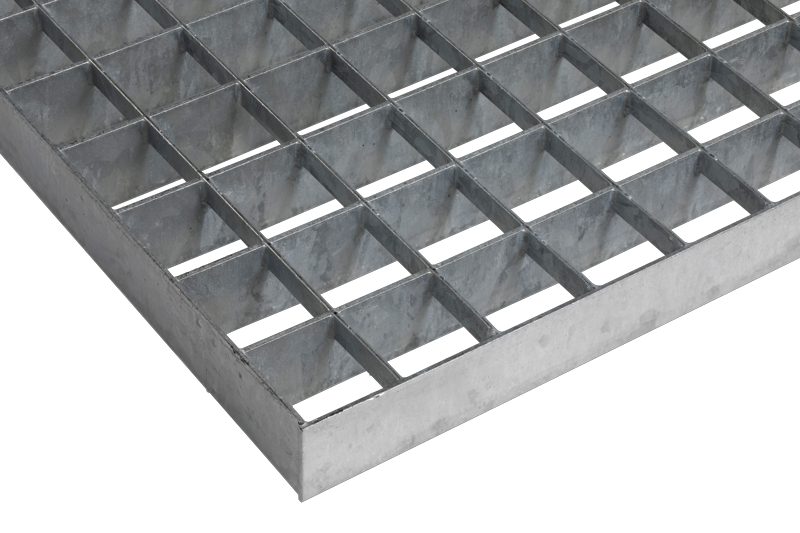
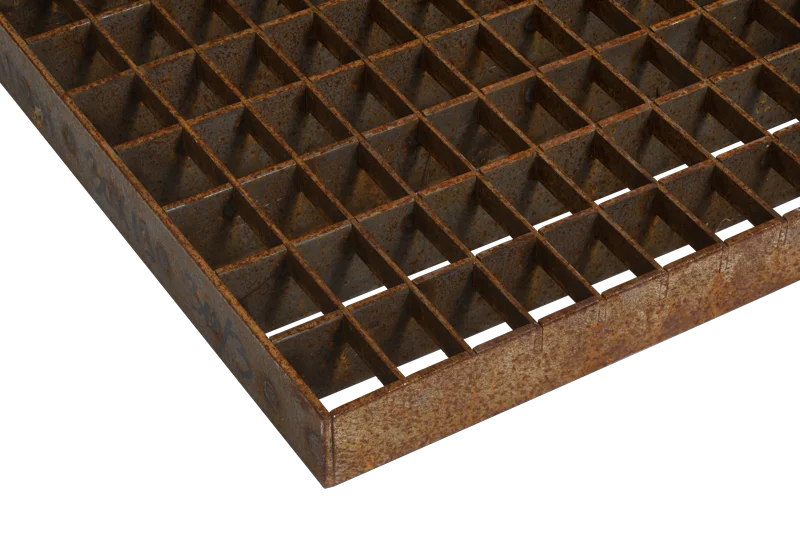
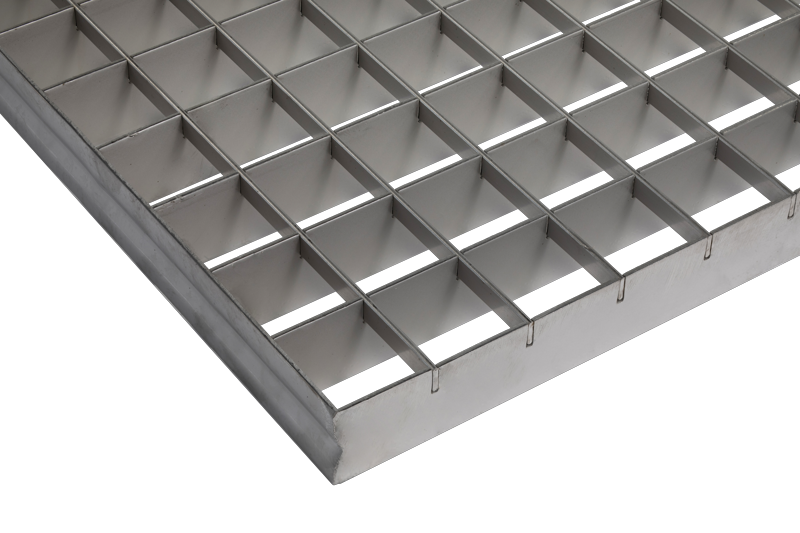
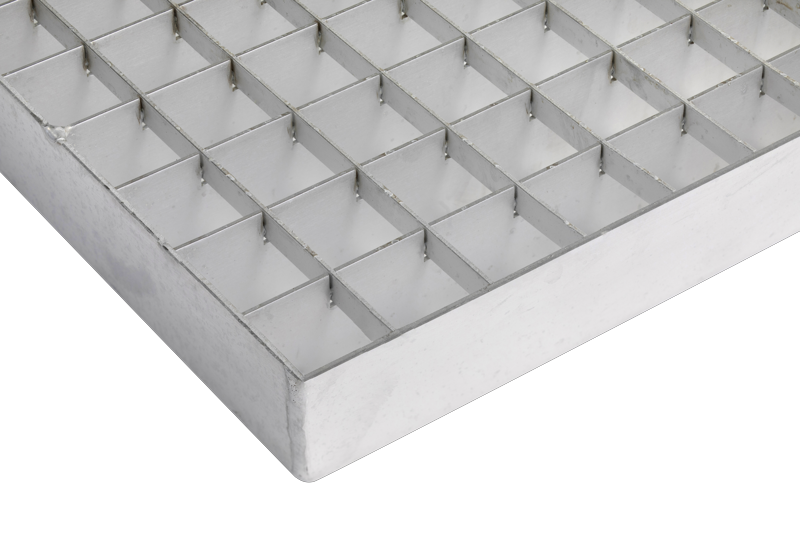
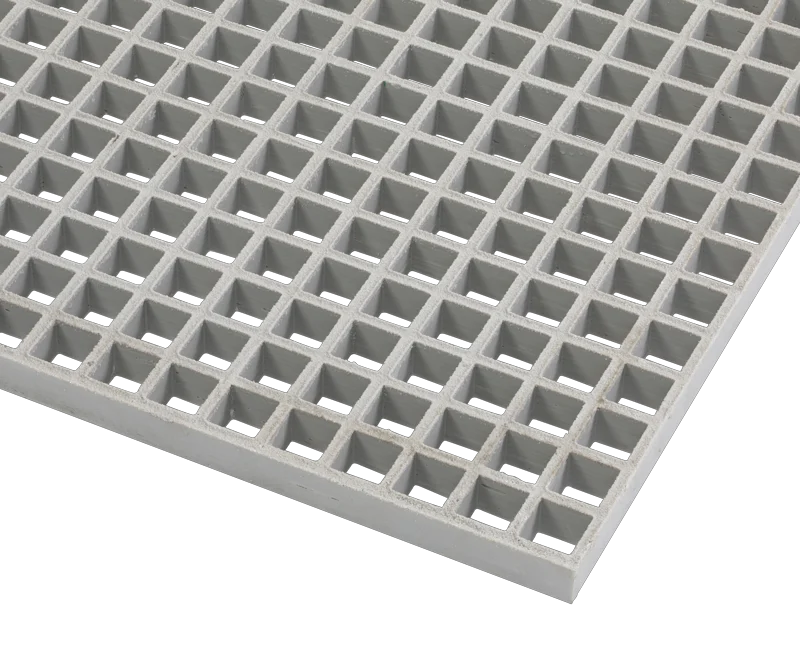
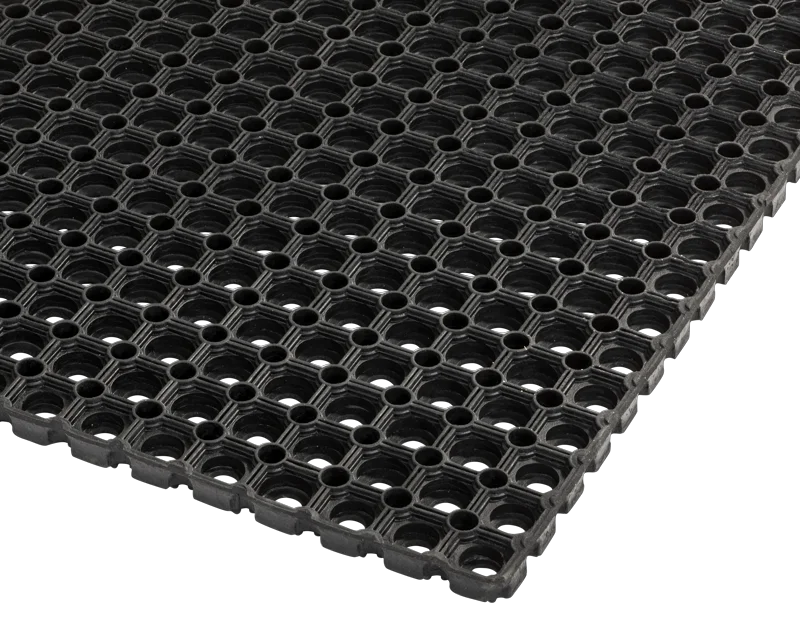
Summary table of advantages and disadvantages of each material:
Material | Advantages | Disadvantages |
|---|---|---|
Steel | Robust, resistant, cost-effective | Can rust if not galvanized |
Corten | No painting required | Should not be used in contact with certain chemicals or in very humid environments |
Stainless Steel | Corrosion-resistant | More expensive than steel |
Aluminium | Easy to handle | Less robust than steel |
Fibreglass (GRP) | Corrosion-resistant, weatherproof and UV-resistant | Less robust than steel, supports pedestrian loads only |
Rubber | Non-slip | Less resistant than metal or polyester under extreme conditions |
JK Technic Commercial Service
+33 3 87 98 88 76
Technical characteristics
Assembly
Uses
Information

20 000 customers in Europe, many references.
Browse our gallery of references in industry and architecture.
Discover our gallery